

Water has a funny way of being both essential and invisible at the same time. We rely on it constantly — for coffee in the morning, pasta at night, showers in between — yet most of us don’t think about it unless something goes wrong. A strange smell. A metallic taste. Spots on the dishes that refuse to disappear no matter how much rinse aid you use.
It’s usually those little annoyances that spark curiosity. And once you start paying attention, you realize water quality isn’t a one-size-fits-all issue. It depends on where you live, how old your plumbing is, and whether your water comes from a municipal system or a private well.
The good news? You don’t have to become a chemist to make sense of it.
The Subtle Art of Water Conditioning
In many homes, the biggest culprit behind water frustration is hardness. If you’ve ever scrubbed white crust from a showerhead or noticed your skin feeling dry after bathing, hard water may be the reason.
This is where water conditioning comes into the picture.
Unlike basic filtration, conditioning focuses primarily on adjusting mineral content — especially calcium and magnesium. These minerals aren’t necessarily dangerous, but they can be tough on plumbing, appliances, and even fabrics. Over time, scale buildup reduces efficiency and shortens equipment lifespan.
Conditioning systems, often through ion exchange, soften water so it behaves more predictably. Soap lathers properly again. Towels feel less stiff. Your dishwasher doesn’t leave cloudy residue behind.
It’s not a dramatic transformation, but it’s noticeable. And once you get used to softer water, going back can feel like stepping into a different house.
When Filtration Makes More Sense
Not all water issues are about hardness. Sometimes it’s taste. Sometimes it’s odor. Occasionally it’s sediment or chlorine that leaves a faint chemical scent lingering in a glass.
That’s where water filters become especially useful.
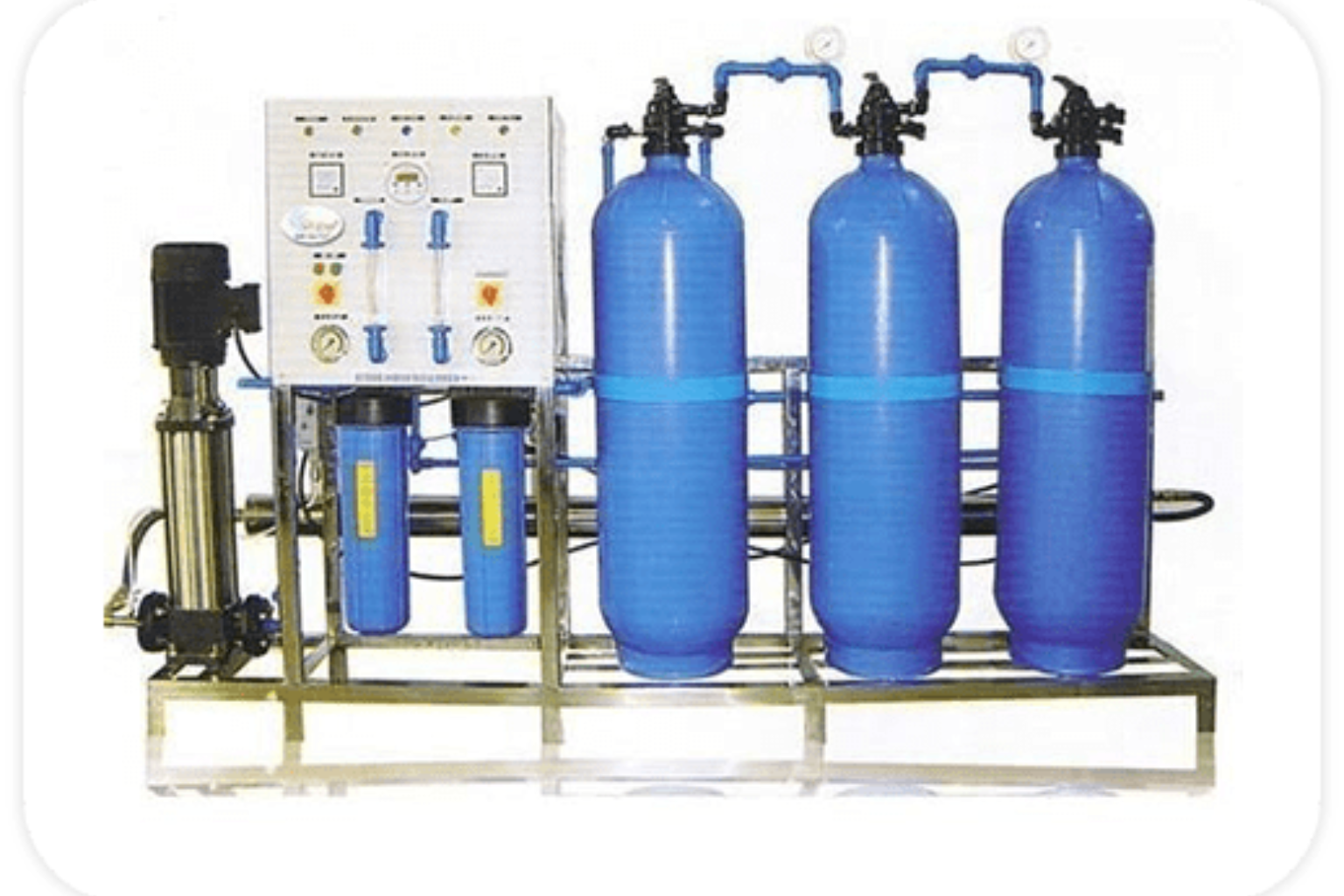
Carbon-based filters are common in homes because they reduce chlorine, improve taste, and remove certain organic compounds. Under-sink systems provide filtered drinking water at a dedicated faucet. Whole-home filters treat water at the point of entry, affecting every tap and shower.
What’s interesting is how quickly we adapt to better water. A friend of mine installed a basic carbon system primarily to address chlorine odor. Within a week, she was raving about how her tea tasted “cleaner.” It wasn’t something she’d planned on noticing — it just happened.
Filtration doesn’t need to be complicated. It just needs to match the issue. And that’s the key: understand the problem first.
The Unique Challenges of Private Wells
If your home relies on a private well, the conversation changes slightly. Municipal water systems undergo routine testing and treatment. Well owners, on the other hand, carry that responsibility themselves.
Well water treatment often requires a more customized approach. Iron is a common concern, leading to rust-colored stains and metallic flavors. Sulfur can create a rotten egg smell that’s hard to ignore. Bacteria testing becomes essential, especially after heavy rains or flooding.
Unlike city water, well water varies dramatically from property to property — even between neighboring homes. That’s why regular testing is so important. A system that works perfectly for one well might not address the next one’s issues at all.
The upside? With proper testing and targeted treatment, well water can be just as safe and pleasant as municipal supplies — sometimes even better.
Testing Before Buying
Here’s where many homeowners stumble: they buy equipment before testing their water. It’s understandable. Marketing makes bold promises. Reviews highlight dramatic improvements.
But without data, you’re guessing.
A simple water analysis can reveal hardness levels, iron content, chlorine concentration, pH balance, and other variables that shape your decision. Testing removes uncertainty. It helps you invest in solutions that actually solve the problem instead of layering unnecessary technology on top of unknown issues.
It’s also worth noting that maintenance plays a role. Filters need replacing. Softeners require salt refills. UV bulbs wear out. Even the best system can’t perform indefinitely without care.
The Long-Term Payoff
Water quality improvements rarely make headlines in your household. No one compliments your filtration unit the way they might notice a renovated kitchen. But the benefits accumulate quietly.
Appliances last longer. Plumbing stays cleaner. You buy fewer cleaning products. Your skin feels less irritated after showers. And maybe, just maybe, you stop thinking about your water altogether — which is kind of the goal.
We invest heavily in visible upgrades. New flooring. Smart thermostats. Fresh paint. Yet water flows through every routine, touching nearly every surface in your home. Improving it may not be glamorous, but it’s foundational.
A Thoughtful Approach Wins
There’s no universal answer to water quality. Some homes need conditioning. Others benefit from filtration. Well systems may require more complex treatment. What matters most is alignment — matching your solution to your specific water profile.
Start with testing. Identify the issue. Choose a system designed to address it. Maintain it properly.
Water should feel effortless. When it does, you won’t notice it much. And that’s exactly how it should be — quietly supporting your daily life without demanding attention.
Because at the end of the day, clean, balanced water isn’t a luxury. It’s just good living.