

We take a lot for granted when we turn on the tap. Clean water for coffee. A refreshing shower. Safe water for our kids. But here’s the thing: most people don’t actually know what’s in their water. And while it might look clear, there could be all sorts of contaminants swimming beneath the surface — minerals, bacteria, even old pipe residue. The good news? You don’t need to guess anymore.
Let’s dive into why this matters, how you can get ahead of potential water problems, and what residential and commercial solutions actually make a difference in 2026.
When Did Clean Water Get So Complicated?
In many areas — both rural and urban — aging infrastructure, industrial runoff, and inconsistent treatment systems are raising eyebrows (and health risks). It’s not just about taste or smell anymore. Heavy metals like lead, high levels of chlorine, or bacteria from nearby septic leaks can all sneak into your supply.
It sounds scary, and honestly, sometimes it is. But there’s a practical first step every homeowner or business should take: free water testing.
Yep, you read that right. Many reputable companies offer no-cost testing of your tap, well, or filtered water — and the results might surprise you. You’ll get a breakdown of hardness levels, iron content, pH, bacteria presence, and other markers that help you understand exactly what you’re dealing with. It’s fast, non-invasive, and the peace of mind? Priceless.
Beyond Bottles and Brita: The Rise of Whole-Home Solutions
We’re moving past the days of just sticking a Brita pitcher in the fridge. Families are becoming more intentional about their water quality, and with good reason. Skin issues, appliance breakdowns, funky laundry — all of these can be traced back to water that’s just not right.
That’s where residential water systems come in.
These aren’t just fancy filters. Modern systems can soften hard water (goodbye calcium and lime), balance pH, remove odors, and even sterilize with UV light. Whether you’re dealing with a private well or treated municipal water, tailored systems can dramatically improve your experience — and your health.
What’s great is that they’re now smarter than ever. Some systems sync with your phone to show filter life, water usage, or alerts if contamination is detected. The tech’s impressive, but the real benefit is knowing your family is protected without having to think twice.
Commercial Properties: A Whole Different Ballgame
Running a business that relies on water — think restaurants, gyms, healthcare clinics, or hotels — means you’ve got more on the line. Poor water quality doesn’t just hurt your brand, it can literally shut your operations down if regulations aren’t met.
This is why more facilities are turning to advanced commercial water solutions.
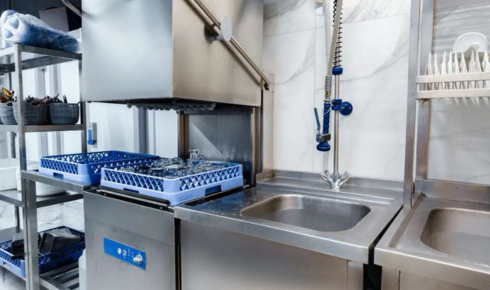
We’re talking industrial-grade systems that can handle large-scale filtration, pressure balancing, cooling tower treatment, and regulatory compliance — all without disrupting workflow. Whether you’re brewing coffee for 300 guests a day or running lab tests that require ultra-pure water, there’s a tailored solution available.
And beyond safety and compliance, clean water can reduce equipment maintenance, extend the life of boilers or dishwashers, and save serious costs over time. So yes, it’s an investment — but it’s also a strategic one.
Real Talk: How Bad Is Your Water?
You’d be surprised.
We’ve heard stories of people thinking their water was fine because it was “clear,” only to find out it had dangerously high nitrate levels — especially in agricultural areas. Or folks whose pipes were slowly corroding from acidic water, leading to costly repairs and metallic tastes.
The point is: you can’t always see or smell the problem. But once you know, you can take action.
That’s what makes free water testing such a no-brainer. It takes the guesswork out of the equation. And once you have the data, you can work with a reputable provider to build a solution — whether that’s a simple carbon filter or a full reverse osmosis setup.
Don’t Fall for Gimmicks — Look for Expertise
There are plenty of gimmicky “miracle filters” out there, often with big promises and zero performance. Instead of falling for slick marketing, here’s what to look for in a water treatment provider:
- Certified techs who understand local water conditions.
- Customized recommendations — not one-size-fits-all solutions.
- Post-install support, because maintenance matters.
- Transparent testing with real lab results you can understand.
The best companies will walk you through the science and the systems without jargon or upsells. And they’ll treat your home or business like it’s their own.
A Smarter Approach to Water in 2026
Water treatment used to feel like an afterthought. Now, it’s front and center for homeowners, builders, and facility managers alike. Whether you’re in a drought-prone area dealing with high mineral content, or a major metro where old pipes are leaching metals, quality water is no longer a luxury — it’s a necessity.
Smart sensors. Filter subscriptions. Remote diagnostics. We’re seeing a shift toward proactive, tech-driven solutions that blend seamlessly into daily life.
And the best part? They work.
Final Thoughts: Clarity Starts with a Choice
Think about how often you interact with water every day — drinking, bathing, cooking, cleaning. It’s one of the most intimate utilities in your life, yet also the most ignored.
That doesn’t have to be the case anymore.
With free water testing, reliable residential water systems, and robust commercial water solutions, you have the tools to take control. Whether you rent a studio apartment or manage a sprawling hotel chain, clean water is possible — and it starts with simply asking the question: “What’s in my water?”
Because once you know, you can never go back.