

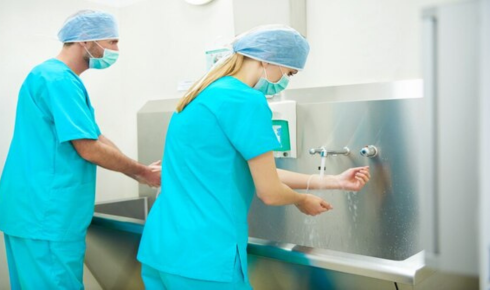
Healthcare facilities operate in environments where even minor disruptions can have serious consequences. Hospitals, diagnostic labs, and clinics depend on seamless infrastructure to maintain hygiene standards, patient safety, and continuous operations. Among all building systems, plumbing plays a critical yet often underestimated role in supporting daily medical activities.
From handwash stations and sterilization rooms to laboratories and utility areas, healthcare plumbing must handle frequent usage, maintain strict hygiene, and operate reliably without failures. Traditional plumbing systems, especially in older buildings or complex layouts, often struggle to meet these demands. This is where smart plumbing solutions become essential.
Why Plumbing Reliability Is Critical in Healthcare Settings
Unlike residential or standard commercial spaces, healthcare facilities deal with sensitive environments where hygiene is non-negotiable. Any drainage failure can lead to contamination risks, unpleasant odours, and operational downtime.
Healthcare plumbing systems must consistently manage:
- Continuous water usage throughout the day
- Discharge from multiple handwash basins and sinks
- Cleaning and sterilization processes
- Wastewater from labs and treatment areas
Even a short plumbing interruption can disrupt patient care, delay procedures, or force temporary closure of critical areas.
Hygiene Demands Beyond Conventional Standards
Hospitals and clinics follow stringent hygiene protocols. Washbasins are placed strategically near treatment rooms, ICUs, labs, and corridors to ensure frequent handwashing by staff and visitors. These basins are often added during upgrades or layout changes, not just during initial construction.
Conventional gravity drainage restricts where these fixtures can be installed. Breaking floors in active healthcare environments is rarely an option due to dust, noise, and infection control concerns. Smart plumbing systems allow healthcare facilities to expand or modify layouts while maintaining hygiene standards and minimizing disruption.
Supporting Hospitals with Continuous Operations
Hospitals function round the clock, making plumbing downtime unacceptable. Systems must handle repeated usage from staff, patients, and visitors without performance drops.
Compact lifting solutions like Sanicom 1 are designed for demanding grey water applications. They efficiently handle discharge from handwash basins, sinks, and utility fixtures commonly found in hospitals. By actively pumping wastewater to the nearest drainage point, they reduce reliance on gravity and prevent slow drainage or backups.
This makes them ideal for retrofitting additional wash points in wards, corridors, or staff areas without major civil work.
Safe and Efficient Plumbing for Diagnostic Labs
Diagnostic laboratories generate wastewater from sinks, cleaning processes, and testing equipment. These spaces require reliable drainage to maintain cleanliness and comply with hygiene regulations.
Lab layouts often change as equipment is upgraded or expanded. Smart plumbing systems provide the flexibility to add or relocate sinks without disturbing existing infrastructure. This adaptability helps labs stay operational while upgrading facilities to meet growing demand.
Reliable discharge handling also reduces the risk of stagnant water, which is essential for maintaining a clean and controlled lab environment.
Clinics and Healthcare Centres with Limited Space
Clinics and outpatient centres are frequently located in commercial buildings where plumbing access is limited. Adding extra washbasins or utility sinks for compliance can be challenging if drainage points are far away.
Smart plumbing solutions make it possible to install necessary fixtures exactly where they are required. This ensures that clinics meet hygiene norms without undergoing expensive renovations or disrupting daily consultations.
For clinics operating in high-footfall areas, quick installation and dependable performance are key advantages.
Handling Higher Loads in Large Healthcare Facilities
Large hospitals and medical complexes often require systems capable of managing multiple fixtures simultaneously. Utility rooms, treatment areas, and cleaning zones may all discharge at the same time, especially during peak hours.
High-capacity lifting stations like Sanicubic 2 VX are designed for such environments. Built to handle tougher conditions and higher flow rates, they support continuous operation across multiple connection points.
These systems are particularly useful in basements, service floors, or areas below the main drainage level where gravity drainage alone is insufficient.
Minimising Infection Risks During Installation and Upgrades
One of the biggest advantages of smart plumbing in healthcare environments is minimal disruption during installation. Since these systems avoid extensive floor breaking, they help maintain clean and controlled conditions during upgrades.
This is crucial in hospitals and clinics where construction dust and prolonged work can increase infection risks. Faster installations mean critical areas remain operational, and patient care continues uninterrupted.
Long-Term Operational Benefits
Beyond immediate convenience, smart plumbing solutions offer long-term advantages for healthcare facilities:
- Reduced risk of blockages and backups
- Improved hygiene through consistent drainage
- Easier compliance with health and safety regulations
- Lower maintenance and emergency repair costs
- Greater flexibility for future expansion
These benefits support both day-to-day operations and long-term facility planning.
Planning Healthcare Infrastructure for the Future
Healthcare demands are constantly evolving. Facilities need the ability to expand services, add new treatment rooms, or upgrade equipment without reworking core infrastructure each time.
Smart plumbing systems support this adaptability by allowing fixtures to be added or relocated with minimal effort. This future-ready approach helps hospitals, labs, and clinics remain responsive to patient needs and regulatory requirements.
Final Thoughts
In healthcare environments, plumbing is more than just a utility it’s a critical support system for hygiene, safety, and uninterrupted operations. Traditional plumbing methods often fall short when faced with continuous usage, strict cleanliness standards, and the need for flexible layouts.
By adopting smart plumbing solutions like Sanicom 1 and Sanicubic 2 VX, healthcare facilities can ensure reliable discharge handling, maintain hygiene standards, and reduce operational risks. The result is a cleaner, safer, and more resilient infrastructure that supports quality patient care without compromise.