
From the Kitchen to the Shower: Enjoying Better Water Throughout Your New Port Richey Home
There’s something satisfying about stepping into a freshly cleaned shower or pouring yourself a glass of water after a long afternoon in the Florida sunshine. But when your…

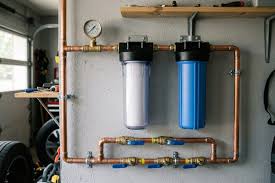
There’s something satisfying about stepping into a freshly cleaned shower or pouring yourself a glass of water after a long afternoon in the Florida sunshine. But when your water has an unpleasant odor, leaves stubborn deposits, or contains visible sediment, those ordinary moments become slightly less enjoyable.
Many homeowners looking into whole-home filtration in new port richey fl want a practical solution that addresses water quality concerns beyond the kitchen faucet.
After all, water plays a role in almost everything we do at home. We use it to prepare meals, wash clothes, clean dishes, and maintain personal hygiene.
- Quality Home Repairs in Dallas–Fort Worth: Restoring Comfort, Functionality, and Peace of Mind
- Understanding Your Home’s Water Quality Before Choosing a Treatment System
- Better Water at Home Begins With the Right Checks and Smart Decisions
- Choosing the Right Water Treatment Technology Starts with Understanding Your Needs
- Good Water at Home Shouldn’t Feel Like Guesswork
- The Small Home Upgrade That Makes Water Feel Right Again
Rather than dealing with individual water-related frustrations as they arise, treating the incoming supply can be a worthwhile investment. The important thing is understanding which treatment options actually make sense for your household.
Why Water Quality Deserves More Attention in Florida Homes
Living in Florida comes with plenty of advantages, but certain water characteristics can create everyday inconveniences.
The state’s limestone geology can contribute to mineral hardness in groundwater. Depending on your water source, you might also encounter sediment, noticeable disinfectant tastes, or unpleasant odors.
Perhaps you’ve noticed white deposits collecting around bathroom faucets despite regular cleaning. Or maybe your freshly washed glassware never seems completely clear.
These signs can offer clues about your water, although they don’t tell the entire story.
Properties connected to municipal supplies may experience different concerns from homes relying on private wells. Even the condition of household plumbing can influence water characteristics.
Understanding your particular circumstances is essential before investing in treatment equipment. A system that works beautifully for your neighbor might not necessarily be the best choice for you.
How a Centralized Water Filtration System Works
Instead of installing separate filters at individual faucets, many homeowners prefer a centralized approach that treats water as it enters the property.
With whole-home water filtration, treatment equipment is typically installed near the main incoming water line, allowing filtered water to reach connected outlets throughout the house.
Depending on the equipment selected, the system may reduce suspended particles, certain chemical compounds, and unpleasant tastes or odors.
Some installations combine sediment filters with activated carbon media. Others incorporate specialized treatment components designed to address particular water quality concerns.
It’s important to understand that filtration and softening are different processes. If mineral hardness is your primary concern, an additional softening system may be appropriate.
The most effective arrangement is one designed around actual water conditions rather than a collection of unnecessary treatment stages.
The Everyday Benefits of Treating Your Water Supply
Imagine turning on the shower without noticing that familiar chlorine odor or discovering fewer sediment particles collecting inside faucet aerators.
These improvements might sound relatively minor, but their value becomes more apparent when you experience them regularly.
Investing in cleaner water for your entire home can improve everyday comfort while helping address specific concerns that affect household cleaning, cooking, and bathing.
Appropriately selected treatment equipment may also help reduce certain water-related maintenance problems.
For example, removing suspended sediment can help limit particle accumulation in connected fixtures. When hardness treatment is included, homeowners may notice less mineral buildup over time.
Of course, the benefits depend on incoming water characteristics and the capabilities of the installed equipment.
Understanding realistic expectations makes it easier to appreciate what a properly designed system can accomplish.
Start With Testing, Not Shopping
Browsing filtration systems before understanding your water is tempting. There are plenty of impressive products promising better results, greater convenience, and advanced treatment capabilities.
But what does your household actually need?
Appropriate water testing can help identify concerns involving hardness, sediment, mineral content, and specific contaminants.
Private well owners should arrange suitable laboratory testing for potential microbial and chemical hazards. Municipal water customers can also review their supplier’s water quality reports for useful background information.
Once the results are available, comparing treatment technologies becomes considerably easier.
You may discover that a straightforward filtration system addresses your concerns without requiring expensive additional equipment.
Choosing Equipment That Matches Your Household
A family of five with several bathrooms will probably have different treatment requirements from a retired couple living in a smaller property.
Water consumption, peak demand, available installation space, and incoming pressure all influence equipment selection.
An undersized filtration unit may restrict water flow when several household members are using water simultaneously.
Maintenance expenses deserve consideration, too. Ask about cartridge replacement, servicing intervals, and the availability of compatible components.
Look for independently verified performance claims that match the substances you want to reduce.
Taking these practical details into account can help you avoid purchasing equipment that becomes inconvenient or expensive to maintain.
Keeping Your Filtration System Performing Reliably
Installing a filtration system is only part of the process. Regular maintenance is necessary to keep it working as intended.
Filter media eventually becomes exhausted, and accumulated sediment can restrict water flow. Following recommended servicing schedules helps prevent avoidable performance problems.
Keep a record of filter replacement dates and arrange follow-up testing when appropriate.
Don’t assume that pleasant-tasting water is automatically free from harmful contaminants. Some water quality concerns cannot be identified through taste, smell, or appearance.
Consistent maintenance and appropriate testing are essential parts of responsible water treatment.
Making Better Water a Lasting Home Improvement
A comfortable home isn’t defined solely by attractive interiors or expensive appliances. Sometimes, the improvements that matter most are the ones quietly supporting everyday life.
Better water treatment can be one of those improvements.
For New Port Richey homeowners, the sensible approach is to understand local water conditions, investigate property-specific concerns, and select equipment that offers practical long-term benefits.
You don’t need an unnecessarily complicated system. You need one that addresses your concerns and fits comfortably into your household routine.
And when ordinary activities like showering, cooking, or filling your favorite coffee mug become a little more enjoyable, you’ll understand why improving your home’s water supply deserves thoughtful attention.