
Better Water at Home Begins With the Right Checks and Smart Decisions
Most people don’t think much about their water until something seems off. Maybe the kettle develops a stubborn layer of white scale, the bathroom fixtures keep collecting stains,…

Most people don’t think much about their water until something seems off. Maybe the kettle develops a stubborn layer of white scale, the bathroom fixtures keep collecting stains, or drinking water has a strange taste that wasn’t there a few weeks ago. Sometimes the problem is obvious. Other times, everything looks perfectly normal, even when the water contains substances that deserve attention.
These little signs can leave homeowners wondering where to start. Should they buy a filter, install a water softener, or call a specialist? The answer depends on the water supply, the problems you’re experiencing, and what you want to achieve. A sensible approach begins with understanding the issue rather than spending money on equipment and hoping for the best.
Why Water Quality Matters in Everyday Life
Water affects far more than what goes into your drinking glass. It plays a role in cooking, bathing, laundry, cleaning, and the performance of household appliances. When the water contains high levels of hardness minerals, for example, soap may lather poorly, glassware can develop cloudy marks, and deposits may collect around faucets and showerheads.
- Understanding Your Home’s Water Quality Before Choosing a Treatment System
- Choosing the Right Water Treatment Technology Starts with Understanding Your Needs
- Good Water at Home Shouldn’t Feel Like Guesswork
- The Small Home Upgrade That Makes Water Feel Right Again
- I Didn’t Want to Spend Money on Cleaning – Here Is What Changed My Mind
- Why Homeowners Trust PeakRoofClean for Professional Roof Cleaning in Derbyshire
Over time, mineral scale can also build up inside pipes, water heaters, and certain appliances. Depending on the severity, this may contribute to reduced efficiency and additional maintenance costs. Other concerns, such as sediment, iron, chlorine-related tastes, or specific contaminants, require different solutions.
Understanding water quality means looking beyond appearance alone. Clear water isn’t necessarily free from unwanted contaminants, and unpleasant-tasting water doesn’t automatically mean it’s unsafe. Taste, smell, and color can offer clues, but they cannot reliably identify every issue.
The source of the water matters, too. Municipal supplies are generally treated and monitored under applicable regulations, while private wells depend more heavily on local groundwater conditions and regular testing by the owner. Even within the same neighborhood, plumbing and household conditions can influence what comes out of a particular tap.
Don’t Guess When You Can Test
When homeowners notice a problem, buying a filtration system can seem like the quickest fix. It’s understandable. Nobody wants to spend weeks researching water treatment when they simply want their shower to feel better or their drinking water to taste fresh.
Still, choosing equipment before identifying the problem can lead to unnecessary expense. A standard carbon filter may improve certain tastes and odors, but it won’t necessarily reduce hardness minerals. A water softener can address hardness, yet it isn’t designed to remove every contaminant.
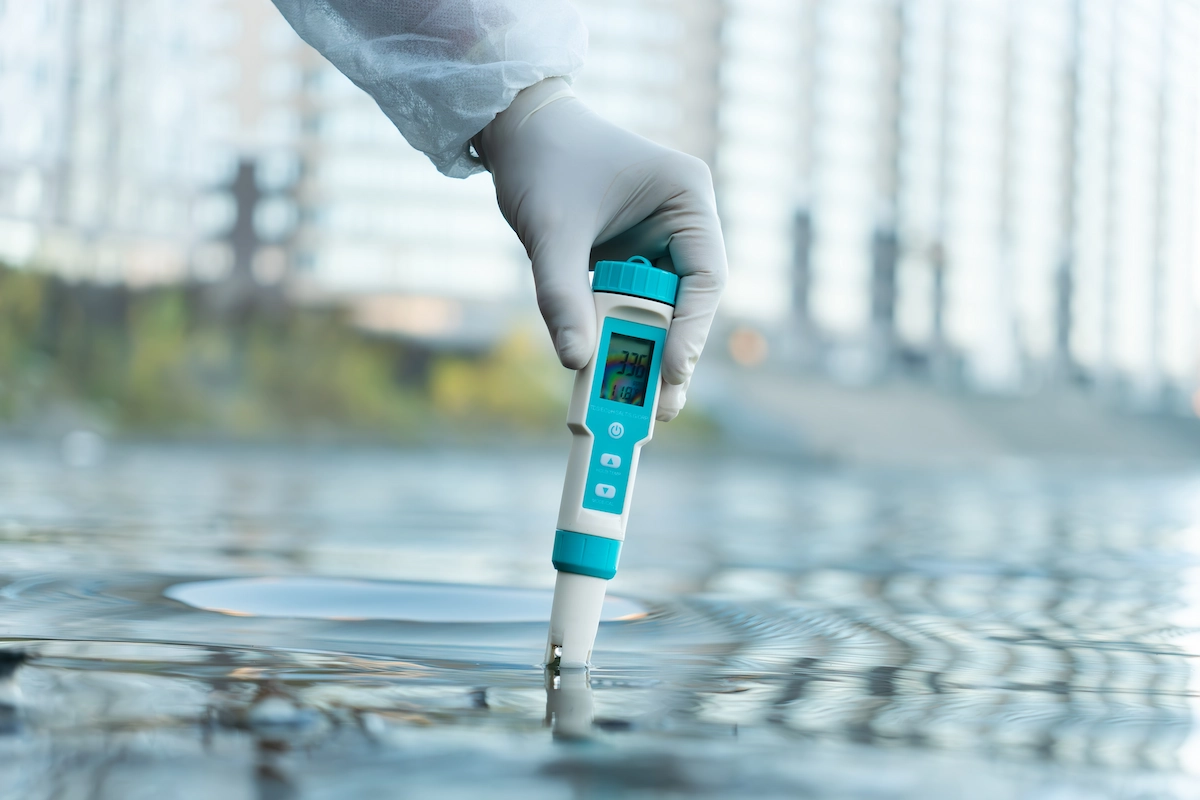
That’s why water testing is such a useful starting point. Depending on your concerns, a test may measure hardness, pH, iron, nitrates, or other relevant substances. The appropriate testing method depends on the water source and the question you’re trying to answer.
Homeowners connected to a public supply can review their local water quality report for general information. However, that report may not reveal issues specific to household plumbing. If you have a private well, arrange routine testing through a qualified laboratory and follow local public health recommendations.
If the water suddenly changes color, develops an unusual odor, or appears contaminated, don’t assume that a household filter will make it safe. Contact the water supplier if applicable and seek appropriate guidance before using the water for drinking or food preparation.
Finding the Right Treatment System
Once the problem is understood, selecting a suitable treatment system becomes much easier. Different technologies are designed for different purposes, and the most expensive option isn’t necessarily the most effective one for your home.
Water softeners are commonly used to reduce calcium and magnesium, the minerals responsible for hard water. They can help reduce scale buildup and may make soap and detergents work more effectively. However, conventional ion-exchange softeners usually replace hardness minerals with sodium, which is worth considering for households with specific dietary or medical concerns.
Filtration systems work differently. Sediment filters capture particles, while activated carbon filters can reduce certain substances that affect taste and odor. Reverse osmosis systems can reduce various dissolved contaminants when appropriately selected, maintained, and installed.
The key is to match the technology to the results of your testing. If the main issue is hard water, a softener may be appropriate. If your concern involves a particular contaminant, you’ll need a system specifically rated to reduce it.
Look for independent certification that supports the product’s stated performance. Ask the supplier which contaminants the system is designed to reduce, what it doesn’t remove, and how frequently its components need replacing. Straightforward answers are a good sign that the recommendation is based on your needs rather than a sales target.
Why Proper Installation Makes a Difference
Choosing suitable equipment is only part of the job. A treatment system must also be fitted correctly and configured for the property’s water supply and usage.
For example, an undersized system may struggle to provide enough treated water during busy periods. Poorly arranged plumbing can make servicing difficult, while incorrect connections may create leaks or interfere with normal water flow. Some systems also require drainage, electricity, or particular operating pressures.
Professional installation can help address these practical details. A qualified installer should assess the plumbing layout, confirm the equipment’s suitability, explain any necessary modifications, and check that the system operates as intended after the work is complete.
Good professional installation also includes helping the homeowner understand routine operation. You should know how to recognize a warning light, when to replace filters, whether the system needs salt or other supplies, and whom to contact if performance changes.
Before the work begins, request a written estimate that explains the equipment, labor, expected timeline, and any additional costs. Ask about warranty conditions as well. Some warranties require particular installation or maintenance procedures, so it’s better to clarify those details upfront.
Maintenance Is Part of the Investment
Even a well-designed water treatment system needs regular attention. Filters collect particles and eventually reach their service limits. Water softeners may need salt replenishment, cleaning, or checks of their regeneration settings. Other systems may require periodic testing to confirm that they continue reducing the substances they’re intended to treat.
Follow the manufacturer’s maintenance schedule and keep records of filter changes, servicing, and water test results. A simple reminder on your phone can help prevent missed replacements.
Pay attention to changes in performance, too. If water pressure drops, unusual tastes return, or scale begins accumulating again, the system may need attention. These symptoms don’t always mean the equipment has failed, but they shouldn’t be ignored.
Ongoing costs deserve consideration when comparing systems. The purchase price is only one part of ownership; replacement filters, salt, electricity, and periodic service may add up over time. A system that fits your budget and maintenance habits is often a better choice than a complicated unit you struggle to maintain.
Make an Informed Choice for Your Home
Water treatment doesn’t have to become a major research project, but it does deserve a thoughtful approach. Start by observing the problems you’re experiencing, check available information about your water source, and arrange suitable testing when necessary.
From there, choose a treatment method that addresses the actual issue. Compare performance claims, operating costs, maintenance requirements, and installation arrangements before making a decision. If the results are confusing, a qualified water treatment professional can help explain the options.
The goal isn’t to buy the most equipment or eliminate every naturally occurring mineral. It’s to make your water suitable for its intended uses and reduce problems that affect your home.
When decisions are based on reliable information rather than guesswork, water treatment becomes far more manageable. And that’s reassuring, because something you use every single day shouldn’t be a constant source of uncertainty.