

Busy buildings place constant demand on HVAC systems. When performance slips, comfort, air quality, and operating costs all suffer. Facility managers need practical ways to keep systems running efficiently. This guide outlines clear steps that improve reliability without unnecessary complexity.
Busy commercial buildings never rest. People move in and out, equipment runs for long hours, and indoor conditions must stay consistent. HVAC systems carry that load every day. When performance declines, the effects show quickly in uneven temperatures, higher energy use, and occupant complaints. Facility managers who focus on steady improvement rather than reactive fixes keep buildings more comfortable and costs more predictable. One area that often needs attention is commercial heating for busy facilities, especially systems that support ventilation and air balance. The practical approaches below help maintain stronger overall HVAC performance through clearer priorities and consistent care.
Prioritize Regular System Evaluation
Performance problems rarely appear without warning. Uneven temperatures, reduced airflow, or rising energy bills often signal that the system is working harder than it should. A structured evaluation schedule catches these issues early. Checking key components at set intervals reveals wear, restricted airflow, or control problems before they become larger failures.
Facility managers who treat evaluation as routine rather than emergency work gain better visibility into system health. This approach supports longer equipment life and more stable indoor conditions across the building.
Focus on Air Balance and Fresh Air Supply
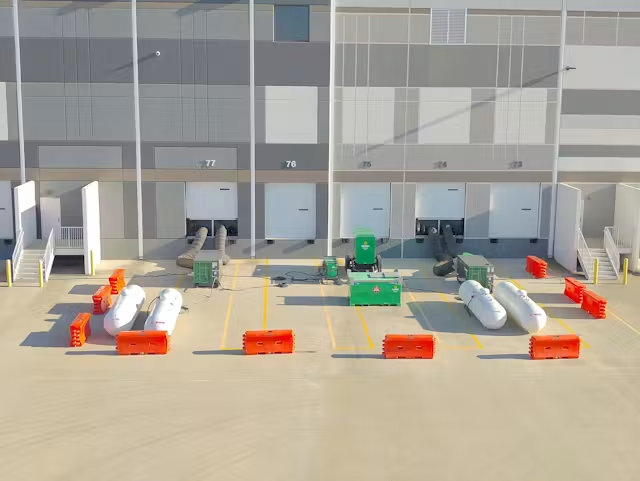
In busy buildings, exhaust systems remove large volumes of air. Without proper make-up air, negative pressure can develop. Doors become harder to open, odors linger, and some mechanical systems struggle to vent correctly. Make-up air units restore balance by delivering filtered outdoor air and supporting positive pressure.
Maintaining this balance improves both comfort and safety. It also helps other heating and ventilation equipment operate as designed. Addressing air supply is one of the most effective ways to raise overall HVAC performance in high-occupancy spaces.
Strengthen Preventative Maintenance Practices
Reactive repairs cost more and disrupt operations. A consistent maintenance program keeps filters clean, motors lubricated, and controls calibrated. Customized plans work better than generic schedules because they match the actual equipment and usage patterns of the building.
Regular attention reduces unexpected downtime and helps systems deliver steady temperature and air quality. Maintenance is not just protection against failure. It is one of the most reliable methods for improving day-to-day performance.
Improve Indoor Air Quality Alongside Temperature Control
Temperature is only part of occupant comfort. Stale air, excess humidity, or poor filtration quickly affect how people feel and work. Integrating air quality measures such as proper filtration, ventilation, and humidity control supports better overall system results.
When heating and ventilation work together, the building stays more consistent. Facility managers who treat air quality as part of HVAC performance rather than a separate concern see clearer benefits in comfort and operational stability.
Optimize Controls and Scheduling
Many systems run harder than necessary because controls are outdated or schedules no longer match building occupancy. Updating control strategies and aligning run times with actual use reduces unnecessary load. Sensors and simple automation can prevent simultaneous heating and cooling or continuous operation during low-occupancy periods.
These adjustments often produce noticeable gains in efficiency without major equipment changes. Better control is one of the fastest ways to improve performance in busy facilities.
Plan for Equipment Longevity and Timely Upgrades
Aging equipment loses efficiency even with good maintenance. Tracking the age and condition of major components helps facility managers plan replacements before failures occur. Selecting properly sized systems and reliable commercial heating solutions for busy facilities supports long-term stability.
Replacing or upgrading at the right time avoids the higher costs of emergency work and restores performance that gradual decline has reduced. Forward planning keeps the building operating with fewer interruptions.
Coordinate with Experienced Commercial Specialists
Complex commercial systems benefit from technicians who understand large-scale heating, ventilation, and air balance. Working with specialists who handle make-up air units, rooftop equipment, and preventative programs provides clearer diagnostics and more accurate recommendations.
This partnership reduces guesswork and supports decisions that match the real demands of the building. Reliable commercial expertise becomes part of the performance strategy rather than a last resort.
In the middle of managing daily operations, it helps to remember that HVAC performance improves most through steady attention rather than dramatic overhauls. Focusing on air balance, maintenance, controls, and timely upgrades produces measurable results. Attention to commercial heating for busy facilities, including proper make-up air and system balance, forms a practical foundation for these improvements.
FAQs
How often should HVAC performance be evaluated in a busy building?
A structured check at least twice a year is a practical starting point. High-use buildings often benefit from more frequent filter and airflow reviews.
Why does air balance matter so much?
Without adequate make-up air, negative pressure can disrupt ventilation, increase odor problems, and force other equipment to work harder. Restoring balance improves both comfort and system efficiency.
Can better maintenance really improve performance without new equipment?
Yes. Clean filters, calibrated controls, and timely lubrication often restore noticeable capacity and reduce energy waste on existing systems.
When should a facility manager consider upgrading heating equipment?
When repair frequency rises, efficiency declines steadily, or the system can no longer maintain consistent conditions, planning a replacement becomes more cost-effective than continued reactive fixes.
What is the most useful first step for improving HVAC performance?
Start with a clear evaluation of current airflow, temperature consistency, and maintenance history. That information guides the highest-impact next actions.
Final Considerations
Improving HVAC performance in busy buildings rests on consistent evaluation, proper air balance, strong maintenance habits, attention to air quality, smarter controls, and timely equipment decisions. These steps work together to keep systems reliable under constant demand. Facility managers who treat commercial heating for busy facilities as part of a broader performance strategy gain more stable comfort and clearer operating costs. Regular attention to make-up air, filtration, and system balance prevents many of the problems that appear during peak use. Working with specialists who understand commercial requirements further supports accurate diagnosis and lasting improvements. Begin with the areas that affect daily operation most directly. Build steady practices rather than waiting for failures. Over time, these focused actions deliver more dependable performance across the entire building.