

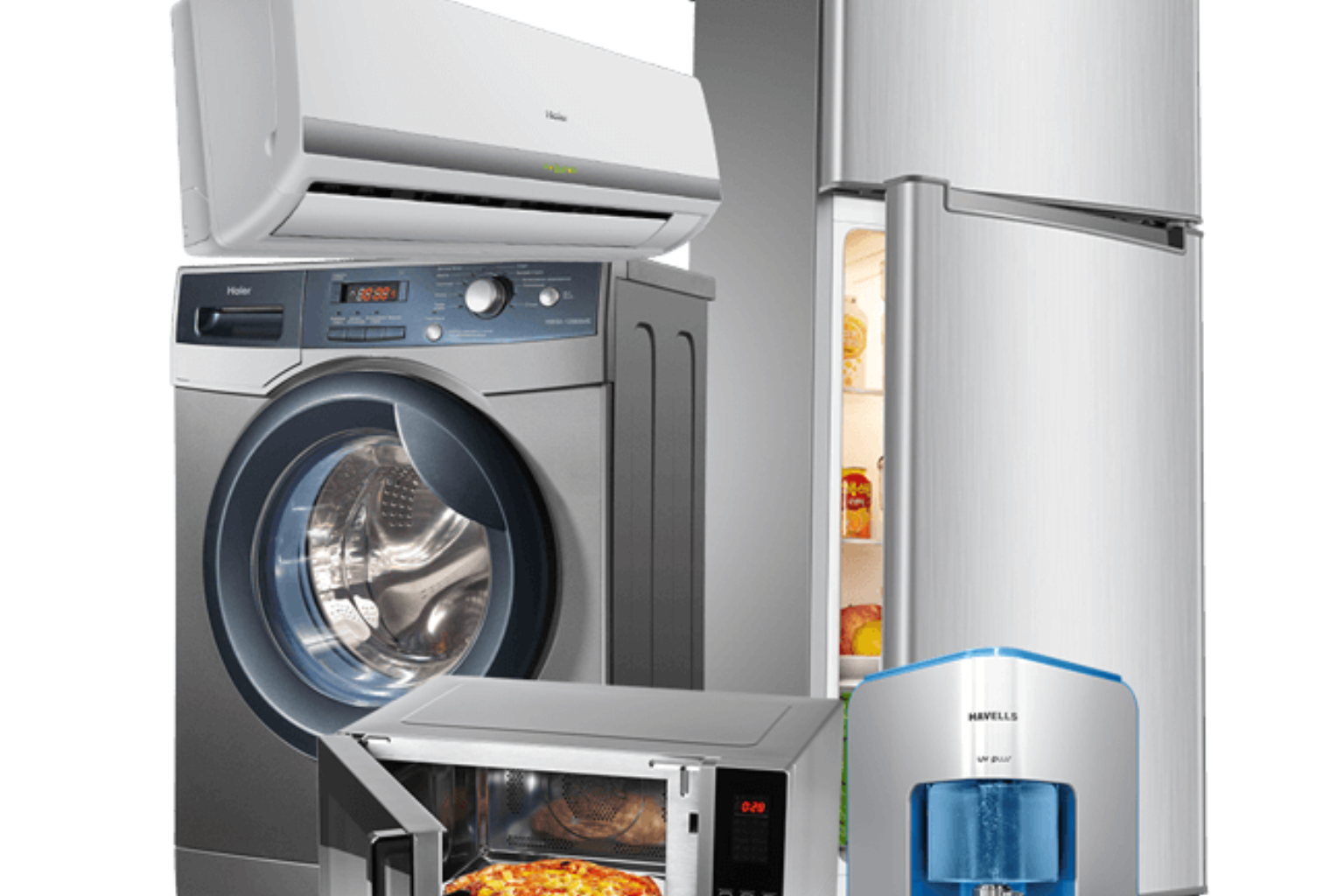
There’s a quiet kind of frustration that comes with a broken appliance. Not loud, not dramatic—just persistent. It lingers in the background while you try to go about your day. The dishwasher stops mid-cycle, the microwave heats unevenly, or the washing machine simply refuses to cooperate.
You don’t panic. But you do pause.
Because suddenly, something you rely on every day isn’t doing its job. And now you’re left deciding—fix it, replace it, or just wait it out a little longer?
Understanding the Real Cost of Replacement
It’s easy to assume that replacing an appliance is the quickest way forward. New models promise better efficiency, modern features, maybe even a little excitement.
But when you actually start exploring appliance sales options, things get a bit more complicated.
Prices vary widely. Features overlap. And often, the difference between a “good” and a “great” appliance isn’t always obvious at first glance. Add to that delivery timelines, installation hassles, and disposal of the old unit—it’s not always as simple as clicking “buy now.”
Sometimes, stepping back and weighing the real cost—not just financially, but practically—can change how you approach the situation.
When a Small Fix Makes a Big Difference
Not every problem means the end of an appliance’s life. In fact, many issues come down to a single worn-out component.
A faulty heating element. A broken latch. A clogged valve.
This is where appliance parts support becomes incredibly valuable. Having access to the right parts—and knowing they’re compatible—can turn what feels like a major issue into a relatively quick fix.
There’s something satisfying about this approach too. Instead of discarding the whole machine, you’re giving it a second chance. Extending its life. Making a choice that feels a bit more… thoughtful.
Of course, it’s not always straightforward. Finding the right part, installing it correctly—it takes a bit of effort. But when it works, it’s worth it.
Knowing When to Call in the Experts
Let’s be honest—some repairs are better left to the professionals.
You might be comfortable changing a filter or tightening a loose connection. But when it comes to electrical issues, complex components, or anything that feels uncertain, it’s usually smarter to step back.
That’s where professional help comes in.
And not just for fixing the issue, but for understanding it. A good technician doesn’t just repair—they explain. They give you a clearer picture of what went wrong and what your options are moving forward.
Sometimes they’ll tell you it’s worth repairing. Other times, they’ll suggest replacement. Either way, you’re making an informed decision, not a guess.
The Balance Between Repair and Replace
There’s no universal rule for deciding whether to repair or replace. It depends on the age of the appliance, the cost of the fix, and how often issues have been popping up.
But there’s also a more subtle factor—your own comfort.
Do you trust the appliance after it’s repaired? Do you feel like it’ll last, or are you waiting for the next problem?
These are small questions, but they matter. Because the goal isn’t just to fix something—it’s to restore confidence in your daily routine.
The Hidden Value of Maintenance
Here’s something people often overlook—regular maintenance can prevent a lot of these situations in the first place.
Cleaning filters, checking seals, avoiding overloading machines—it’s not complicated, but it does make a difference.
Think of it like taking care of your car. A little attention now can save you from bigger problems later.
And while it’s easy to forget these small habits, they quietly extend the life of your appliances in ways you don’t always notice.
A More Thoughtful Approach to Home Care
We live in a time where replacing things is often easier than fixing them. It’s faster, sometimes even encouraged.
But there’s value in slowing down and considering your options.
Repairing when it makes sense. Replacing when it’s truly needed. And maintaining what you already have.
It’s not about being overly cautious or overly frugal. It’s about being intentional.
Bringing Things Back to Normal, One Step at a Time
At the end of the day, appliances are part of the background of our lives. They’re not something we think about—until they stop working.
And when they do, the goal isn’t just to fix the problem. It’s to restore a sense of normalcy.
To get back to routines that feel easy. To stop thinking about what’s broken and start focusing on everything else.
Whether that means repairing, replacing, or simply maintaining what you have, the right choice is the one that brings that balance back.
And sometimes, that’s all we really need.