
Sometimes the First Step to Better Water Is Letting Someone Take a Closer Look
There’s a strange thing about water — we trust it until something feels off. Not dramatically off, just slightly… different. A taste that lingers a bit too long.…

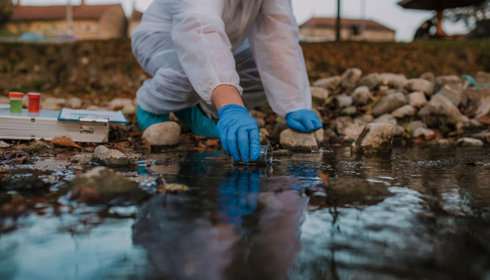
There’s a strange thing about water — we trust it until something feels off. Not dramatically off, just slightly… different. A taste that lingers a bit too long. A faint smell you can’t quite place. Or maybe your skin feels drier than usual, and you’re not sure why.
Most people don’t immediately think, “Let me test my water.” It’s not exactly top of mind. Life gets busy, and those small signs are easy to ignore. But over time, they build. And eventually, curiosity wins.
You start wondering what’s really coming out of your tap.
- Choosing the Right Water Treatment Technology Starts with Understanding Your Needs
- Good Water at Home Shouldn’t Feel Like Guesswork
- The Small Home Upgrade That Makes Water Feel Right Again
- I Didn’t Want to Spend Money on Cleaning – Here Is What Changed My Mind
- Why Homeowners Trust PeakRoofClean for Professional Roof Cleaning in Derbyshire
- When Water Isn’t Just Water: Understanding What Flows Through Your Home
Noticing the Little Things That Add Up
It rarely starts with a big problem. More often, it’s a collection of small inconveniences.
Maybe your dishes have spots even after a full wash. Your laundry doesn’t feel as soft as it used to. Or that morning glass of water just doesn’t taste as clean as you remember. None of these things scream urgency, but together they create a kind of background noise — something that quietly nags at you.
I’ve seen people live with these issues for years, just adapting. Using more detergent, buying bottled water, switching soaps. It works, sort of. But it doesn’t address the root of the problem.
And that’s where the idea of free in-home water testing becomes surprisingly valuable. Not because it’s fancy or complicated, but because it brings clarity. Someone comes in, checks your water, and suddenly those vague concerns turn into real, understandable information.
It’s like turning on a light in a room you didn’t realize was dim.
Understanding Before Fixing
There’s a tendency to jump straight to solutions. Buy a filter, install a system, hope for the best. And sometimes that works. But often, it leads to frustration — because the issue wasn’t what you thought it was.
Water isn’t one-dimensional. It can carry minerals, chemicals, organic matter, even tiny particles you wouldn’t notice without testing. Each of these requires a different approach.
That’s why professional water analysis matters more than people expect. It goes beyond guesswork. It identifies what’s actually present in your water — iron, chlorine, hardness, sediment — and how those elements interact.
Once you have that information, everything shifts. Decisions become easier. You’re no longer choosing blindly; you’re choosing based on facts.
And there’s something reassuring about that.
Every Home Has Its Own Water Story
One of the most overlooked aspects of water quality is how different it can be from one home to the next. Even in the same neighborhood, two houses might deal with completely different issues.
One might struggle with hard water, leaving behind scale and residue. Another might have a chlorine-heavy supply that affects taste. A third might deal with sediment or organic compounds from a private well.
That’s why generic solutions often fall short. They’re designed to solve broad problems, not specific ones.
Instead, what tends to work better are customized treatment plans — solutions built around your home’s unique water profile. It’s a more thoughtful approach. Less about selling a product, more about solving a problem.
And honestly, it just makes sense. You wouldn’t wear someone else’s prescription glasses and expect perfect vision, right? Water treatment works the same way.
The Shift from Frustration to Ease
What’s interesting is how quickly things change once the right solution is in place.
You stop noticing the water — in the best possible way. The taste becomes neutral again. Showers feel cleaner. Laundry looks brighter without extra effort. Even your appliances seem to run more smoothly.
It’s not a dramatic transformation that makes headlines. It’s quieter than that. A series of small improvements that add up to a more comfortable daily life.
And perhaps the biggest change is mental. You’re no longer second-guessing something as basic as your water. That constant, low-level uncertainty disappears.
Why Waiting Often Feels Easier (But Isn’t)
It’s easy to put off dealing with water issues. They’re rarely urgent. There’s no immediate crisis pushing you to act.
But over time, those small problems can lead to bigger ones. Mineral buildup can affect plumbing. Poor water quality can wear down appliances faster. And the ongoing inconvenience — even if it feels minor — becomes part of your routine.
I think that’s why so many people delay it. Not because they don’t care, but because it doesn’t feel pressing enough.
Until it does.
And when they finally take that first step — getting their water checked — they often wonder why they didn’t do it sooner.
A Simple Step That Changes Perspective
At its core, improving your water isn’t about chasing perfection. It’s about understanding what you’re working with and making small, informed adjustments.
And it usually starts with awareness.
Letting someone take a closer look. Asking a few questions. Being open to the idea that your water, like anything else in your home, might need a bit of attention.
Because once you understand it, everything else becomes simpler. You’re not guessing anymore. You’re not trying random fixes. You’re making decisions that actually align with your needs.
Bringing It Back to Everyday Life
Water touches almost every part of your day, even if you don’t think about it.
It’s in your morning coffee, your evening shower, the meals you cook, the clothes you wear. It’s part of your routine in ways that are easy to overlook — until something feels off.
Improving it doesn’t require a massive overhaul. Sometimes, it just starts with a conversation. A test. A willingness to look a little closer.
And once you do, the changes — however small — have a way of settling in quietly. Making things feel just a bit better, a bit easier, a bit more comfortable.
Not perfect. Just… right.
And in a home, that’s often more than enough.