
Start With the Water: Why Testing and Expert Guidance Make All the Difference
Most of us assume our water is fine. We turn on the faucet, fill a glass, and move on with our day. If it looks clear and doesn’t…

Most of us assume our water is fine.
We turn on the faucet, fill a glass, and move on with our day. If it looks clear and doesn’t smell strange, that’s usually enough reassurance. But every now and then, something small catches your attention. A metallic aftertaste. White buildup around the tap. Dry skin that no lotion seems to fix.
That’s usually when curiosity kicks in.
- Choosing the Right Water Treatment Technology Starts with Understanding Your Needs
- Good Water at Home Shouldn’t Feel Like Guesswork
- The Small Home Upgrade That Makes Water Feel Right Again
- I Didn’t Want to Spend Money on Cleaning – Here Is What Changed My Mind
- Why Homeowners Trust PeakRoofClean for Professional Roof Cleaning in Derbyshire
- When Water Isn’t Just Water: Understanding What Flows Through Your Home
And here’s the thing — guessing rarely helps. Water quality is one of those topics where assumptions can lead to overspending, under-treating, or simply choosing the wrong solution altogether.
The smarter approach? Start with information.
The Value of Knowing What You’re Dealing With
Water can contain a wide range of minerals and contaminants depending on your location. Hardness levels, chlorine content, sediment, even trace elements — they vary more than most people realize.
That’s why many homeowners begin with free water testing before making any decisions.
Testing isn’t about scaring yourself into buying equipment. It’s about clarity. When you see actual numbers — hardness levels, pH balance, dissolved solids — it becomes easier to separate minor issues from real concerns.
In some cases, you may discover that your water is already within acceptable ranges. In others, the results might explain those stubborn stains or appliance issues you’ve been battling for years.
Information removes guesswork. And when it comes to something as essential as water, guesswork isn’t ideal.
Moving Beyond One-Size-Fits-All Solutions
Once you know what’s in your water, the next step is deciding what to do about it — if anything.
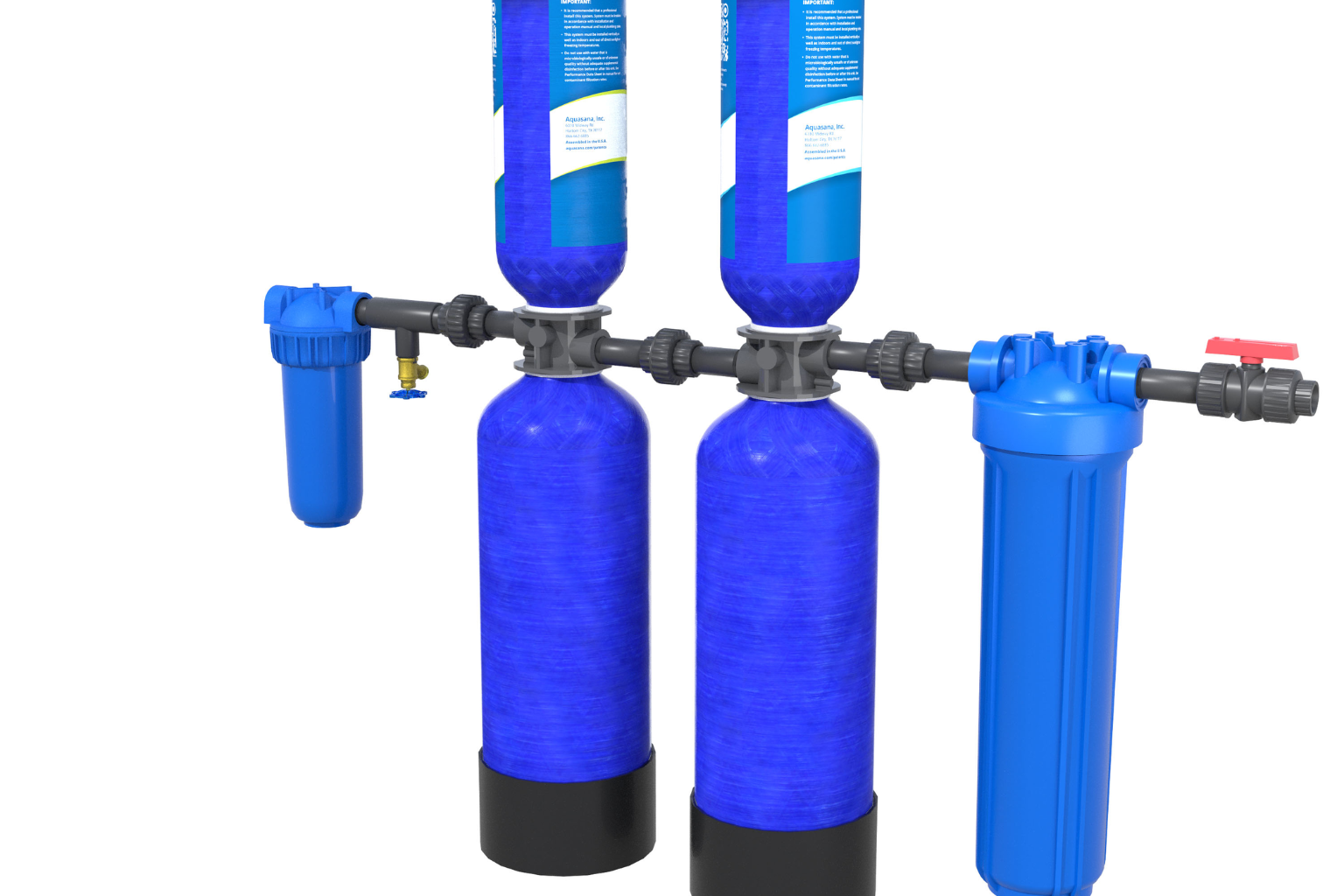
This is where a thoughtful water system consultation becomes valuable.
Rather than walking into a hardware store and choosing the most heavily advertised system, a consultation looks at your home specifically. How many people live there? How much water do you use daily? Are you on a municipal supply or a private well?
The answers matter.
A family of five will have different needs than a retired couple. A rural well system differs significantly from city-treated water. Tailored advice ensures you’re not overspending on equipment you don’t need — or worse, under-investing in something essential.
Consultations also clarify maintenance requirements. Some systems require regular filter changes. Others need periodic salt refills or membrane replacements.
Understanding the long-term commitment helps avoid surprises later.
The Human Element in Installation
Even the best water system can fail if it’s installed improperly.
This is why working with certified technicians often makes a noticeable difference.
Installation isn’t just about connecting pipes. It involves ensuring proper pressure levels, avoiding leaks, complying with local plumbing codes, and setting systems up for long-term efficiency.
Experienced technicians also understand troubleshooting. If something isn’t performing as expected months down the line, they can identify the cause quickly.
It’s easy to underestimate the value of expertise — until something goes wrong.
Maintenance: The Part Nobody Mentions
One thing homeowners don’t always consider when installing water systems is ongoing care.
Filters don’t last forever. Softener tanks need monitoring. Reverse osmosis membranes degrade over time.
Skipping maintenance can reduce performance and even damage systems prematurely.
Setting reminders or scheduling routine service keeps everything operating smoothly. Think of it like servicing your car — a little attention prevents larger repairs later.
Balancing Budget and Benefit
Water systems range widely in cost.
Some homes may only need a simple carbon filter. Others might require softening systems combined with advanced purification. The goal isn’t to install the most complex system available — it’s to match the solution to the problem.
Testing first prevents unnecessary expenses.
Consultation clarifies options.
Professional installation protects your investment.
When those three steps align, the result feels intentional rather than reactive.
Subtle Improvements, Noticeable Comfort
The benefits of improved water quality rarely feel dramatic. Instead, they’re quiet.
Shampoo lathers more easily. Glassware dries without spots. Coffee tastes cleaner. Skin feels less tight after a shower.
You might not even think about the system once it’s in place — and that’s usually a good sign.
Because when water functions well, it fades into the background of daily life, exactly where it belongs.
Final Thoughts: Start With Knowledge
It’s easy to ignore water quality until something becomes inconvenient.
But taking a proactive approach — testing, consulting, installing correctly — puts control back in your hands.
You don’t need to assume the worst. You just need accurate information.
Because when you understand what’s flowing through your home, you can make decisions confidently — not based on fear or marketing hype, but on facts.
And in a world full of complicated choices, that kind of clarity feels refreshingly simple.