
The Subtle Ways Your Water Shapes Life at Home
There’s something quietly personal about water in a home. It’s not something we usually think about—until it starts making itself known. Maybe it’s the faint residue on your…

There’s something quietly personal about water in a home. It’s not something we usually think about—until it starts making itself known. Maybe it’s the faint residue on your shower glass that refuses to wipe away. Or the moment you realize your laundry never feels quite as soft as it used to. Sometimes it’s the taste of tap water that makes you reach for bottled alternatives without really knowing why.
None of these things seem urgent. They don’t demand attention. But over time, they create a lingering sense that something isn’t working quite as smoothly as it should.
And more often than not, the issue isn’t your appliances, your detergent, or your routine.
- Choosing the Right Water Treatment Technology Starts with Understanding Your Needs
- Good Water at Home Shouldn’t Feel Like Guesswork
- The Small Home Upgrade That Makes Water Feel Right Again
- I Didn’t Want to Spend Money on Cleaning – Here Is What Changed My Mind
- Why Homeowners Trust PeakRoofClean for Professional Roof Cleaning in Derbyshire
- When Water Isn’t Just Water: Understanding What Flows Through Your Home
It’s your water.
Why Water Quality Matters More Than We Realize
Water is one of the few things we interact with constantly, yet rarely examine closely. It’s part of nearly every daily habit—drinking, cooking, bathing, cleaning, and even maintaining household systems.
Because of this, even small differences in water composition can have a surprisingly large impact on comfort and efficiency.
Hard water, for example, contains elevated levels of minerals like calcium and magnesium. These minerals aren’t harmful, but they can interfere with cleaning, leave deposits behind, and gradually affect plumbing and appliances.
The effects aren’t always dramatic. Instead, they build slowly, becoming noticeable only after they’ve already influenced daily life.
The Everyday Signs of Hard Water
Many homeowners first notice hard water through small inconveniences. Soap that won’t lather easily. Dishes that come out of the dishwasher cloudy. White crust forming around faucets and showerheads.
Even personal care routines can feel different. Hard water often leaves skin feeling dry and hair appearing dull, no matter how much conditioner you use.
These frustrations might seem unrelated at first. But once you recognize the pattern, it becomes clear they all share the same root cause.
How Water Softening Changes Daily Living
For many households, installing residential water softeners becomes a turning point.
These systems work by removing excess minerals from water before it enters the home’s plumbing. The process is simple but highly effective.
The difference often feels subtle at first. Soap lathers more easily. Cleaning takes less effort. Laundry feels softer. Showers become more comfortable.
Over time, these small improvements add up, creating a noticeable shift in how everyday routines feel.
It’s not about dramatic change—it’s about steady, quiet improvement.
Beyond Comfort: Protecting Your Home Infrastructure
Water quality doesn’t just affect personal comfort—it also influences the performance and lifespan of household systems.
Mineral deposits can accumulate inside pipes, reducing water flow and increasing pressure strain. Appliances that rely on heated water, like dishwashers and water heaters, may become less efficient as scale builds up.
Addressing these issues early through water quality improvement helps protect plumbing systems and extend the lifespan of expensive equipment.
This often leads to lower energy consumption, fewer repairs, and reduced maintenance costs over time.
The Role of Integrated Treatment Solutions
Modern water treatment technology has evolved far beyond simple softening.
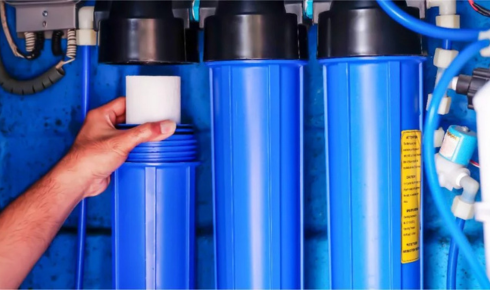
Many homes now benefit from integrated home systems that combine softening, filtration, and purification technologies to address multiple water concerns simultaneously.
These systems are designed to provide consistent performance throughout the entire home—from drinking water to bathing and cleaning.
By treating water at the point of entry, they ensure that every tap delivers improved quality and reliability.
The Health and Lifestyle Benefits of Better Water
Improved water quality often leads to changes that go beyond convenience.
Drinking water tastes fresher and more enjoyable. Cooking becomes more satisfying because ingredients retain their natural flavors. Even something as simple as washing fruits and vegetables feels more reassuring.
Many homeowners find they naturally drink more water once its taste improves, supporting healthier hydration habits.
And because softened and filtered water is gentler on skin and hair, personal care routines often become more comfortable.
Why Local Conditions Matter
Water quality varies widely depending on geography, infrastructure, and supply sources.
That’s why effective treatment solutions often begin with professional water testing.
Testing provides detailed insights into mineral levels, contaminants, and overall composition. With this knowledge, homeowners can select systems tailored to their specific conditions rather than relying on generic solutions.