
A Thoughtful Look at Treating the Water in Your Home
It’s funny how we trust what comes out of our taps. We drink it, cook with it, bathe in it, fill the dog’s bowl, wash the baby bottles…

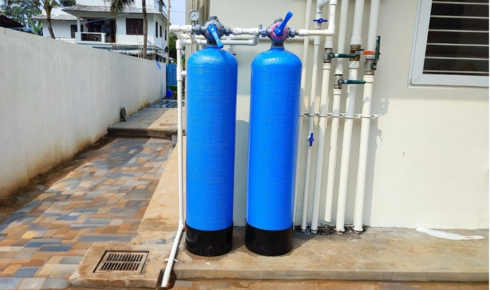
It’s funny how we trust what comes out of our taps. We drink it, cook with it, bathe in it, fill the dog’s bowl, wash the baby bottles — all without thinking twice. Until, one day, something changes. The water tastes off. Your skin feels tight after every shower. Your appliances start showing signs of wear too soon. That’s when the quiet, dependable flow of water becomes something worth rethinking.
Truth is, water isn’t always as clean or as “good” as it seems. Depending on where you live, what your pipes are made of, and what’s happening upstream, your home’s water could carry more than you bargained for. Chemicals, heavy metals, hard minerals, bacteria — it’s a long list. And the solution? It’s not just about bottled water or sink filters. Sometimes, it’s about taking a step back and looking at the big picture.
That’s where whole house water treatment comes into play. And it’s more than just a fancy system — it’s a lifestyle upgrade that quietly impacts every room in your house.
- Choosing the Right Water Treatment Technology Starts with Understanding Your Needs
- Good Water at Home Shouldn’t Feel Like Guesswork
- The Small Home Upgrade That Makes Water Feel Right Again
- I Didn’t Want to Spend Money on Cleaning – Here Is What Changed My Mind
- Why Homeowners Trust PeakRoofClean for Professional Roof Cleaning in Derbyshire
- When Water Isn’t Just Water: Understanding What Flows Through Your Home
The Stuff We Can’t See (But Definitely Feel)
We usually think water has to look dirty to be unsafe, but most of the real culprits are invisible. Think chlorine, chloramine, fluoride, iron, manganese, lead, sediment, sulfur, nitrates… you get the idea. These things don’t always leave a trace in your glass, but they absolutely leave a mark on your skin, your clothes, and your plumbing.
That weird orange stain in your toilet bowl? Probably iron. The film on your dishes? Could be hard water minerals. That funky egg smell from the faucet? Sulfur. It’s like your water has a personality — and not always a friendly one.
If you’ve been fighting a losing battle with water softeners, filters on every sink, or expensive bottled water deliveries, there’s a better way to go about it.
Starting With the Source: Why Water Testing Matters
Before you do anything, stop and get your water tested. Not just because it’s the “smart thing” — but because you can’t fix what you don’t fully understand.
Professional water testing can show you exactly what’s flowing through your home. Not just hardness or chlorine levels, but pH balance, bacterial presence, trace metals, and even radon (yes, that’s a thing in some groundwater).
Testing helps you decide what kind of treatment system you actually need — not what a salesperson says you might need. It’s like getting a blood test before taking a bunch of medications. You wouldn’t guess at what your body needs — so don’t guess with your water either.
DIY kits are okay for a basic snapshot, but for peace of mind, a lab-based test or an in-home consultation from a trusted water expert is worth every penny.
Whole House Water Treatment: Quiet, Consistent, Game-Changing
A whole house water treatment system does exactly what it sounds like — it treats every drop of water before it even reaches your sinks, showers, or laundry machine. That means clean, conditioned water from every faucet in your home, all day, every day.
No more weird-tasting tap water in the kitchen. No more itchy skin after showers. No more crusty buildup in your coffee maker.
Depending on your water test results, a whole-home system might include:
- Sediment filters to catch dirt, rust, or sand
- Carbon filters to remove chlorine and VOCs
- Water softeners to reduce hardness
- Iron or manganese filters to prevent staining
- UV light systems to kill bacteria and viruses
- Acid neutralizers to balance pH
- Reverse osmosis at the kitchen sink for ultra-pure drinking water
You might not need all of the above — but knowing what’s in your water helps tailor a system that’s just right for your household.
What About Water Purification?
It’s easy to confuse filtration, conditioning, and water purification — they all sound like they’re doing the same job. But purification typically refers to a more intensive level of treatment, like removing everything except the H₂O molecules.
Reverse osmosis is the most popular method of water purification, often used at a single tap (like under the kitchen sink) rather than throughout the whole house. It’s especially great for drinking and cooking, removing things like fluoride, lead, arsenic, nitrates, and more.
But purification doesn’t always make sense for every drop in your house. You don’t need purified water to flush the toilet or do laundry. That’s where combining systems — a purifier for drinking, a softener for bathing, a filter for everything else — makes smart sense.
Life After Better Water
Here’s the part you don’t read about in product manuals: how it feels to live with treated water.
Your skin’s softer. Your shampoo lathers better. You actually drink water from the tap again without cringing. Your clothes last longer. Your dishwasher doesn’t need as many rinse cycles. Your coffee tastes better. Heck, your dog’s even drinking more because the bowl doesn’t smell weird.
That’s the ripple effect of good water. And it’s not just about health — it’s about comfort, ease, and confidence in something you use every single day without even thinking.
Final Thoughts: Clean Water Shouldn’t Be a Luxury
If you’ve been thinking about upgrading your water setup — or you’re just starting to notice the signs that something’s off — trust that it’s not just a nice-to-have. It’s a smart move.
Whether it’s pinpointing problems with water testing, installing a whole house water treatment system, or adding targeted water purification at your kitchen sink, the goal is the same: to feel good about the water you use and love the home you live in.