
What to Do in the First Five Minutes of a Plumbing Crisis
Plumbing disasters always strike during dinner parties or right before vacation departures. Water everywhere, panic setting in, nobody remembering where anything important is located. Perfect timing, as usual.…

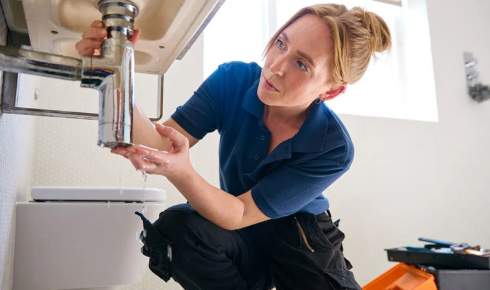
Plumbing disasters always strike during dinner parties or right before vacation departures. Water everywhere, panic setting in, nobody remembering where anything important is located. Perfect timing, as usual.
The first five minutes determine whether situations stay manageable or become insurance nightmare claims requiring months of restoration work and temporary housing arrangements.
Reliable emergency plumbers in Calgary become lifesavers during serious crises, but homeowners need to handle initial damage control before professional help arrives and takes over complicated repairs.
- Build a Complete Bathroom Anywhere with Sanipro XR
- Upgrade Your Garage Storage with Powerful Auxx Lift Systems
- Need a Reliable Fencingcontractor Near Me? Discover the Quality Work of Ashdale Fencing
- The Timeless Elegance of Bardiglio Marble, Dolomite Marble, and Oriental White Marble in Modern Interiors
- How to Choose Materials for a Coastal Kitchen in La Jolla & Point Loma
- Expert Repiping Services: Comprehensive Leak Detection, PEX Repiping, and Pipe Leak Repair Solutions
1. Find Water Shutoffs Immediately
Every second water continues flowing, damage increases exponentially, and repair costs increase dramatically. Main water shutoffs stop everything from entering houses, but they hide in basements, crawl spaces, or utility areas nobody visits regularly.
Individual fixture shutoffs work for isolated problems like overflowing toilets or leaking sinks. These valves usually hide under sinks or behind toilets, where they collect dust until desperately needed during emergencies.
Water heater shutoffs become crucial when tanks fail or connections break, sending scalding water everywhere and creating dangerous situations for anyone nearby.
2. Kill Electricity Before It Kills Someone
Water and electricity create deadly combinations, especially during emergencies when water spreads into areas containing outlets, appliances, or exposed wiring. Circuit breakers need immediate attention before anyone steps into standing water.
Electrical panels aren’t conveniently located during emergencies, and finding the correct breakers wastes precious time while damage accumulates rapidly. Smart people label breakers clearly and keep flashlights near panels for emergency access.
Extension cords, power strips, and electronic devices in flooded areas become serious electrocution and fire hazards on top of existing water damage problems.
3. Document Everything for Insurance Companies
Insurance requires damage proof and timeline documentation for claims processing, but taking pictures during active flooding feels impossible when water keeps spreading everywhere.
Phone cameras work perfectly for emergency documentation, but water destroys electronics quickly. Taking pictures from safe distances while protecting devices becomes important for preserving evidence.
Property damage spreads fast during plumbing emergencies. Documenting initial conditions before cleanup efforts begin provides baselines for insurance adjusters arriving days or weeks later.
4. Save Valuable Stuff
Furniture, electronics, and personal things absorb water damage quite quickly during plumbing problems. Moving valuables to higher ground or unaffected areas reduces losses that insurance does not fully cover.
Basements flood faster than other areas because water flows downward naturally. Important documents, family photos, and expensive items stored in basements need immediate relocation during serious failures.
Carpets and fabric items soak up water like giant sponges and become impossibly heavy while spreading contamination to previously clean areas if moved carelessly.
5. Call Professionals Before Attempting Heroic Repairs
Plumbing emergencies are complex problems that necessitate professional tools and knowledge for proper repair. DIY attempts during crisis scenarios usually exacerbate problems and result in further costly harm.
Emergency plumbers arrive swiftly with the tools needed to complete urgent repairs that homeowners cannot do on their own. They understand how to work safely with water, electrical, and gas lines in dangerous conditions.
Temporary remedies may stop immediate water flow, but underlying issues usually necessitate professional analysis and repairs to avoid recurring emergencies that cost much more money.
Conclusion
The first five minutes determine whether situations remain manageable or spiral into catastrophic disasters affecting entire households for months. Knowing where the shutoffs are, keeping emergency contact information, and comprehending basic safety protocols all contribute to smart planning before a crisis occurs.
Professional emergency services provide the experience and equipment required for significant repairs, preventing minor issues from escalating into severe disasters.